September Vegetable Planting Calendar by Zone (Frost-Date Math Included)
Two gardeners, same September, totally different to-do list. Here’s the frost-date math that tells you which one you are, and exactly what’s still worth sowing.
Never miss an update — choose Garden Kindred as your preferred source on Google.
How it works: Tap the button below to open Google’s settings page, then check the box next to Garden Kindred.
Tap the checkbox to turn it blue — that’s how you know it’s set.
September planting depends on your USDA zone’s first frost date, not the calendar month alone. Count backward from your average first frost using days to maturity plus a 14-day “fall factor” (plants grow slower in shortening daylight) plus a 14-day harvest window for anything frost-tender, per the counting method used by university extension horticulturists.
Zones 3-4 (first frost early-to-mid September) are mostly done planting outdoors by early September and shift to cold frames or indoor starts.
Zones 5-6 (frost early-to-late October) still have a real window for spinach, lettuce, radishes, and garlic.
Zones 7-8 (frost late October to mid-November) can direct-sow a longer list, including carrots, beets, and peas.
Zones 9-10 (frost rare or in December) are just starting their best growing season, with room for broccoli, cauliflower, and even a second round of beans in early September.
Check your county extension office’s local frost data before finalizing dates, since microclimates shift the average by a week or more in either direction.
Why does “plant in September” mean something different in every zone?
Telling someone in Minneapolis and someone in Tampa to “plant your fall garden in September” is close to useless advice. One of them is closing out the season. The other is just getting started.
I’ve watched a lot of “September planting guide” roundups treat the whole country like it shares one calendar. It doesn’t. The USDA Plant Hardiness Zone Map splits the country into 13 zones based on average annual minimum winter temperature, and your zone number is a decent shorthand for how much growing season you have left after Labor Day.
But the zone number alone isn’t the tool that actually tells you when to plant. Your average first frost date is. Two gardens in the same zone can have first frost dates two or three weeks apart depending on elevation, distance from water, and whether you’re in a valley that pools cold air. This guide gives you the zone-level starting point, then shows you the actual math to dial it in for your yard.
How does the frost-date math actually work?
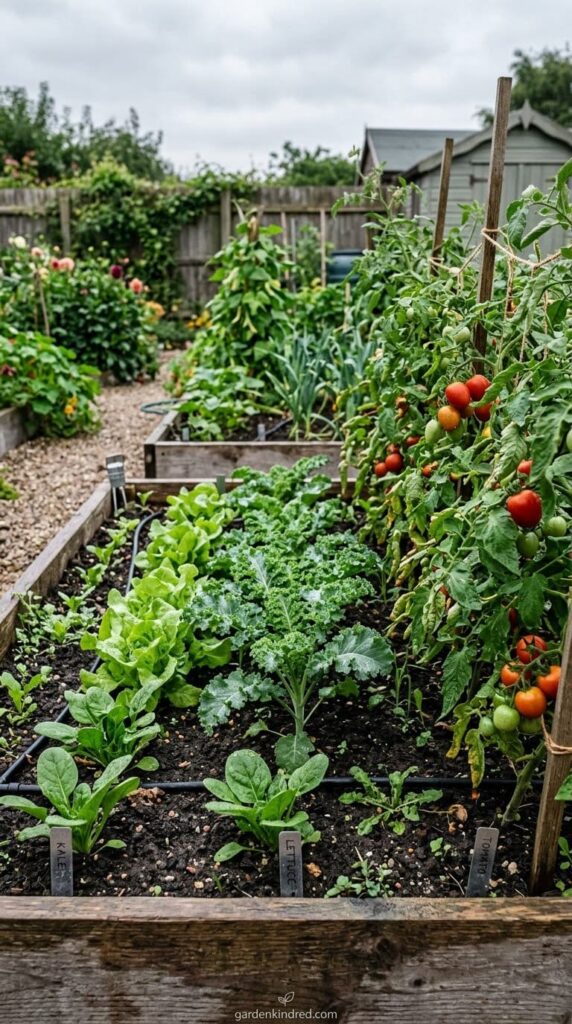
Every “what to plant in September” answer traces back to one calculation. Extension horticulturists at programs like the Garden Professors, a blog run by university-affiliated horticulture faculty, teach it as counting backward from frost.
Start with the days-to-maturity number on your seed packet. Add 14 days for the “fall factor,” because seed packets are tested under spring conditions with lengthening days and warming soil, and fall runs the opposite direction, so everything matures slower than the packet promises. If the crop is frost-tender (beans, cucumbers, summer squash), add another 14-day buffer so you’re not harvesting the week frost kills the plant.
Add those numbers together, then count backward from your zone’s average first frost date. That’s your last safe planting date, not your ideal one. Earlier is almost always better once you’re inside the window.
A concrete example: bush beans at 55 days to maturity, frost-tender, planted where first frost lands October 15. That’s 55 plus 14 plus 14, or 83 days back from October 15, landing you at roughly July 24. If you’re reading this in September, direct-sown beans are already off the table in that zone, but a fast lettuce (28 days, not frost-tender) only needs 28 plus 14, or 42 days back from frost, meaning early September is still fine.

This is the fabric that actually delivers the "4-6 weeks of extra growing time" mentioned in the zone 3-4 and cold-frame sections above. It lets enough light through to leave draped directly over cold-hardy greens like spinach and kale without a support hoop, and it buys several degrees of frost protection, enough to push a zone 5-6 harvest window past the average first frost.
Shop NowThis post contains affiliate links. We may earn a commission on qualifying purchases at no extra cost to you.
A second worked example, this time for a cold-hardy crop instead of a frost-tender one: full-head kale at 60 days to maturity, planted where first frost lands October 10, typical for zone 5-6. Kale isn’t frost-tender, so the second 14-day buffer doesn’t apply, but the 14-day fall factor still does, because shortening daylight and cooling soil slow every crop down regardless of whether frost will eventually kill it. That’s 60 plus 14, or 74 days back from October 10, landing at July 28. A September sowing of full-head kale in zone 5-6 has already missed that window by roughly five weeks.
What’s still realistic in September is baby-leaf kale, harvested at 25-30 days instead of a full head: 30 plus 14 is 44 days back from October 10, or August 27, which means only the first few days of September are genuinely inside the window, not the whole month.
SDSU Extension groups kale with the cole crops that tolerate moderate freezes of 24-28°F, well below the 28-32°F light-frost line that stops spinach, lettuce, carrots, and beets, which is the mechanism behind why kale can be sown later than those crops even after the fall-factor math tightens the window.
What soil temperature do fall crops actually need to germinate?
Frost date math tells you the back end of the window, the last safe date. It doesn’t tell you whether a seed will actually sprout the week you sow it, and in September that’s a real question in both directions, soil that’s still too warm in the south and soil that’s cooling fast everywhere else.
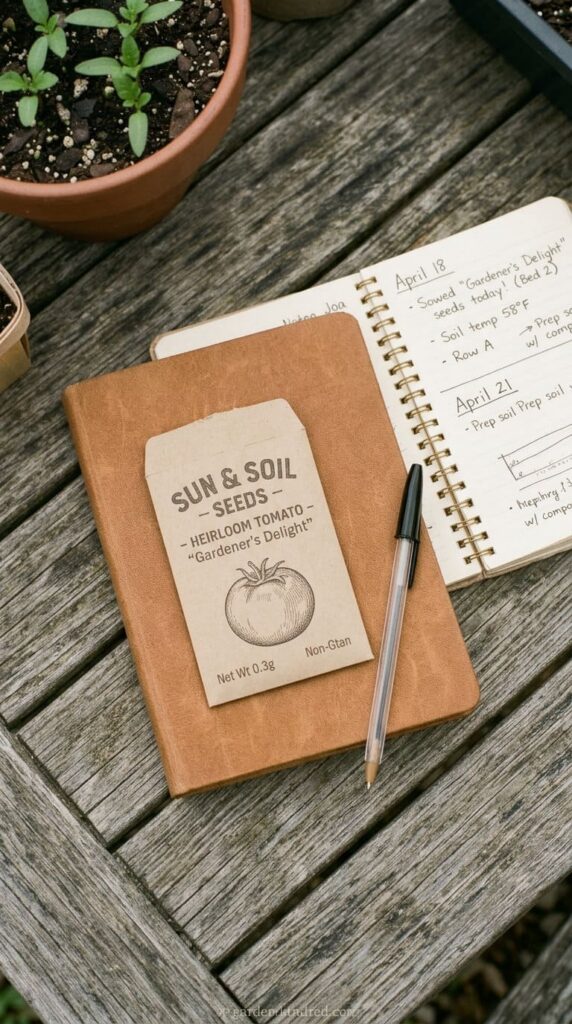
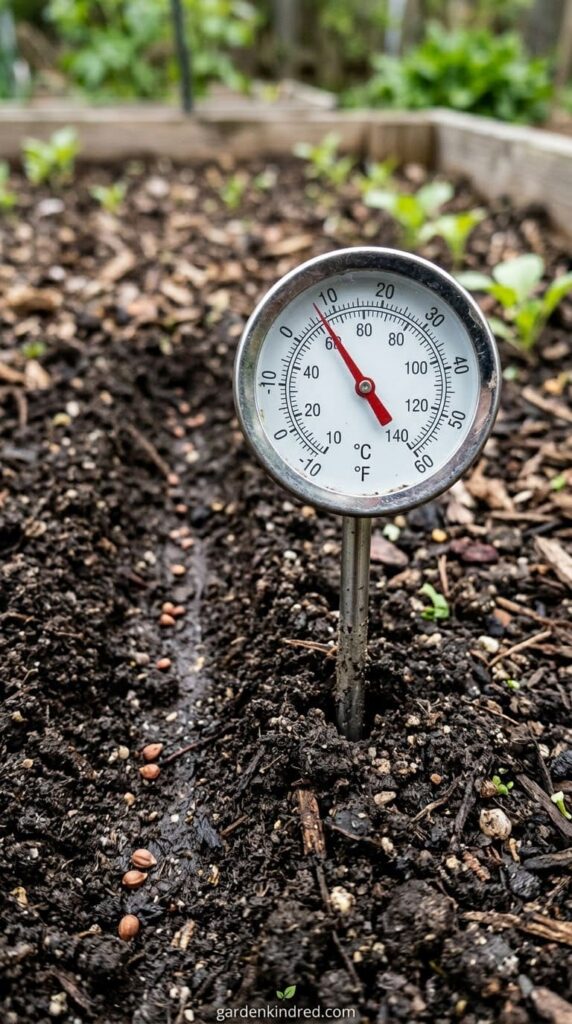
Germination depends on soil temperature at seed depth, not air temperature, and each crop has a real minimum, maximum, and ideal range. Oregon State University Extension Service publishes these thresholds for home gardeners planning around soil rather than the calendar alone:
| Crop | Minimum soil temp to germinate | Ideal soil temp range |
|---|---|---|
| Spinach | 40°F | 50-70°F |
| Lettuce | 40°F | 60-70°F |
| Radish | 40°F | 50-75°F |
| Carrots | 45°F | 70-80°F |
| Beets | 50°F | 65-75°F |
| Peas | 45°F | 60-75°F |
The mechanism is enzymatic, not just habit. Seeds germinate through a set of temperature-dependent enzyme reactions that break down stored starch into usable sugars for the embryo, and those reactions slow sharply below each crop’s minimum threshold, sometimes stalling germination entirely rather than just delaying it. That’s why a spinach seed sown into 38°F soil in a zone 3-4 October cold snap may simply sit and rot instead of sprouting late, while the same seed in 55°F soil three weeks earlier germinates within days.
This cuts both ways depending on where you garden. In zones 3-6, soil temperature is falling through September and can drop below a crop’s minimum before the frost-date math would otherwise rule it out, so a late-September carrot or beet sowing can fail on soil temperature alone even with weeks of frost-free time left. In zones 9-10, the opposite problem shows up, soil temperature above roughly 85°F (common in early September in the Gulf Coast and southern California) actively slows or blocks germination in lettuce and spinach, which is a heat effect, not a cold one, and it’s the reason those zones’ fall planting guides recommend shade cloth for the first week or two rather than any frost precaution.
How much can your own yard’s microclimate shift the zone-average frost date?
Every date in this guide is a zone average, and a zone average is a wide net. Two real physical factors move a specific yard’s actual first frost date away from that average by more than a week, sometimes by a month, and both are measurable rather than anecdotal.
Elevation. Temperature drops on average 3.5°F for every 1,000 feet of elevation gain, a standard atmospheric lapse rate cited by Horticulture Magazine in its breakdown of garden microclimate causes. A garden 1,000 feet higher than the valley floor a few miles away can run a full zone colder on paper, and because cold air is denser than warm air, it sinks and pools in low spots on clear, calm nights, which is why valley gardens frequently see frost while gardens on the surrounding slopes stay frost-free the same night. This is the mechanism, not a coincidence, cold air drainage behaves like water running downhill.
Urban heat island effect. Pavement, brick, and concrete absorb heat during the day and release it slowly overnight, and on clear, calm nights a city center can run 10°F warmer than the surrounding suburbs or open countryside, per the same Horticulture Magazine analysis. That’s large enough to functionally shift a garden half a zone warmer than the official zone map suggests for anyone gardening close to a lot of hardscape, a driveway-adjacent bed or a small urban lot with south-facing brick walls behaves like a slightly different climate than an open rural yard five miles away.
Proximity to large water bodies. Ask Extension, the multi-university Cooperative Extension question service, notes that a garden near a lake, river, or coastline runs measurably warmer and gets its first frost later than the same-zone garden a few miles inland, because large bodies of water release stored summer heat slowly into the surrounding air well into fall.
None of this replaces the zone-level starting point in this guide, but it explains why your specific yard might genuinely need a week or two of padding in either direction. If you’re at higher elevation, in a low spot, or in open rural land, move your working frost date earlier (more caution). If you’re in a dense urban lot or within a few miles of a large lake, move it later (more room), and confirm either adjustment against your county extension office’s local data before you finalize a planting date.
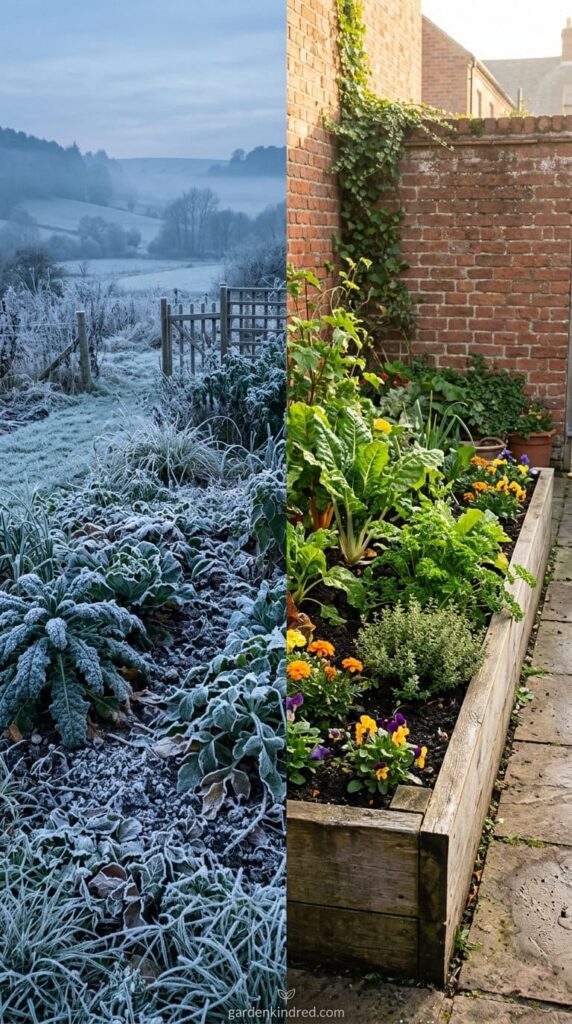
Zone 3-4: closing out the outdoor season
Zones 3 and 4 cover the northern tier, upper Midwest, interior Alaska, and high-elevation mountain pockets. Average first frost typically lands between early September and early October, which means by the time most gardeners are reading a “September planting guide,” the direct-sow window for anything but the fastest crops has already closed or is closing fast.
Still plantable in early September (zone 3-4):
| Crop | Days to maturity | Frost-tender? | Realistic cutoff |
|---|---|---|---|
| Radish | 21-28 | No | Early September, direct sow |
| Spinach | 37-45 | No | Early September for a light fall crop |
| Mâche (corn salad) | 45-50 | No, cold-hardy to 5°F | Early-mid September |
| Garlic (for next year) | N/A, overwinters | No | Late September through October |
Garlic is the standout move here. It’s not a “September vegetable” in the harvest sense, you’re planting cloves that overwinter and mature next July, but late September through October is the correct planting window for zones 3-4, and it’s one of the few crops where you’re working with the season instead of against it.
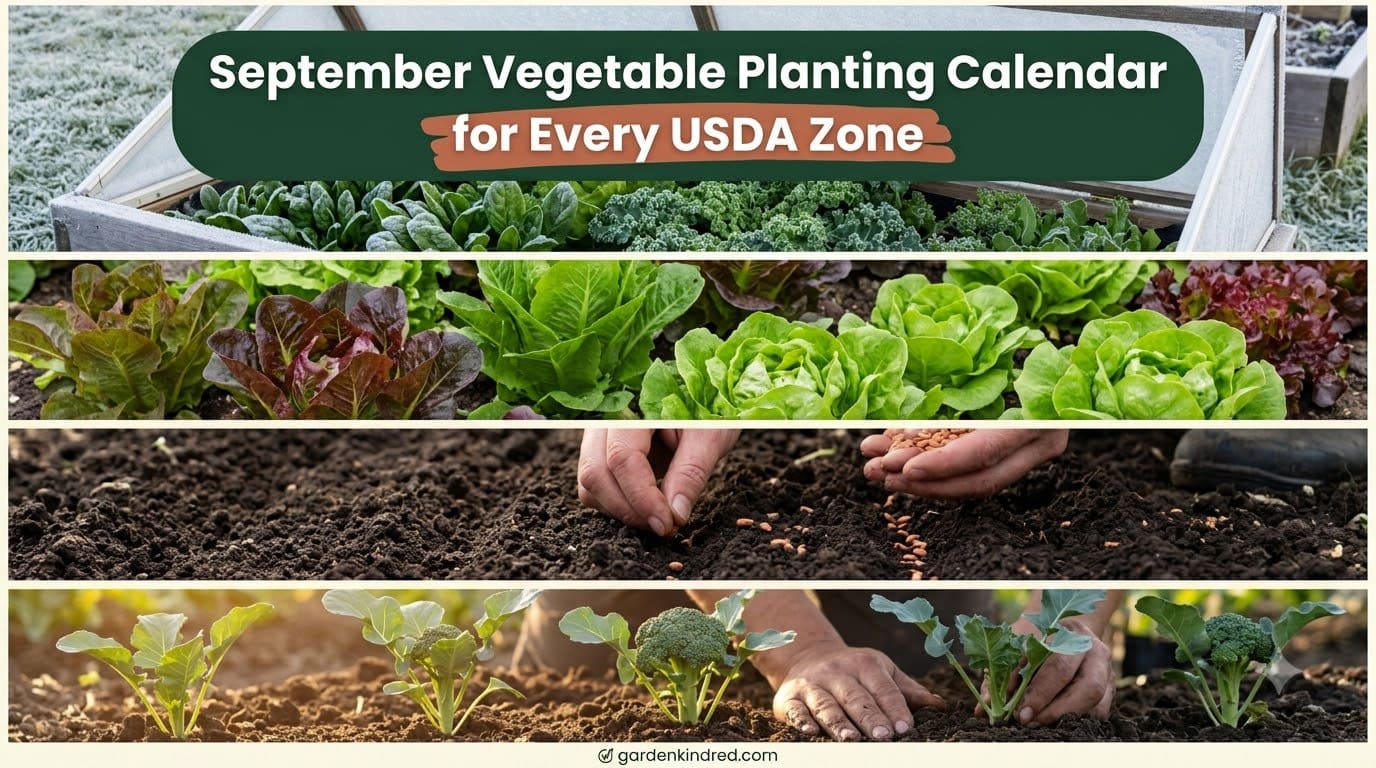
Everything else frost-tender (tomatoes, squash, beans) is done for the year in these zones by September. If you want to keep growing, a cold frame or unheated hoop house buys another 4-6 weeks for cold-hardy greens, per season-extension research from northern-climate extension programs.
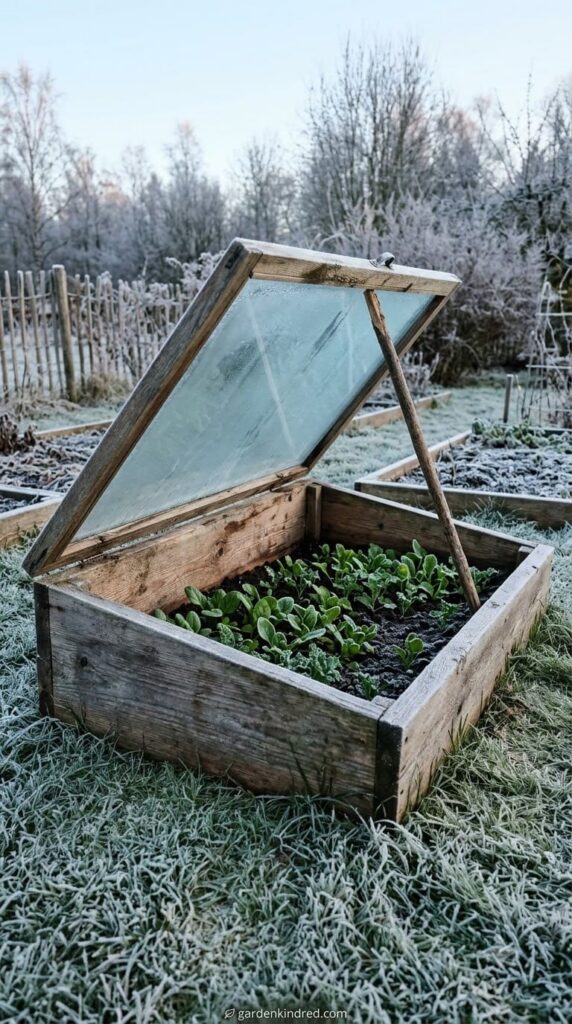
Zone 5-6: the real fall-greens window
Zones 5 and 6 cover a wide band through the central and mid-Atlantic states, from Nebraska and Iowa through Ohio, Pennsylvania, and into parts of New York and New England. Average first frost usually lands between early and late October, giving September planting a genuine payoff.
Realistic September crops (zone 5-6):
- Spinach (37-45 days): direct sow through mid-September for a harvestable fall crop.
- Lettuce (45-55 days, or 25-30 for baby leaf): plant in succession every 10-14 days through mid-September.
- Radish (21-28 days): plantable right up to late September.
- Arugula (21-40 days): one of the most forgiving fall greens, tolerates light frost.
- Kale (50-65 days for full heads, faster for baby leaf): the fall-factor math (see the worked example above) actually rules out full heads by early September in most zone 5-6 gardens, but baby-leaf kale at 25-30 days still fits inside the first few days of the month. Kale genuinely improves in flavor after a light frost, the plant converts stored starches into sugars as a cryoprotectant response to cold, which is a real biochemical reaction, not just gardener folklore.
- Garlic: plant late September into October, after soil has cooled but before it freezes solid.
Zone 6 gardeners get roughly a week more room than zone 5 on most of these, since the average frost date runs about two weeks later. If your county extension office lists a specific local frost date, use that instead of the zone-wide average, county-level data is almost always more accurate than a zone-wide number that spans hundreds of miles.
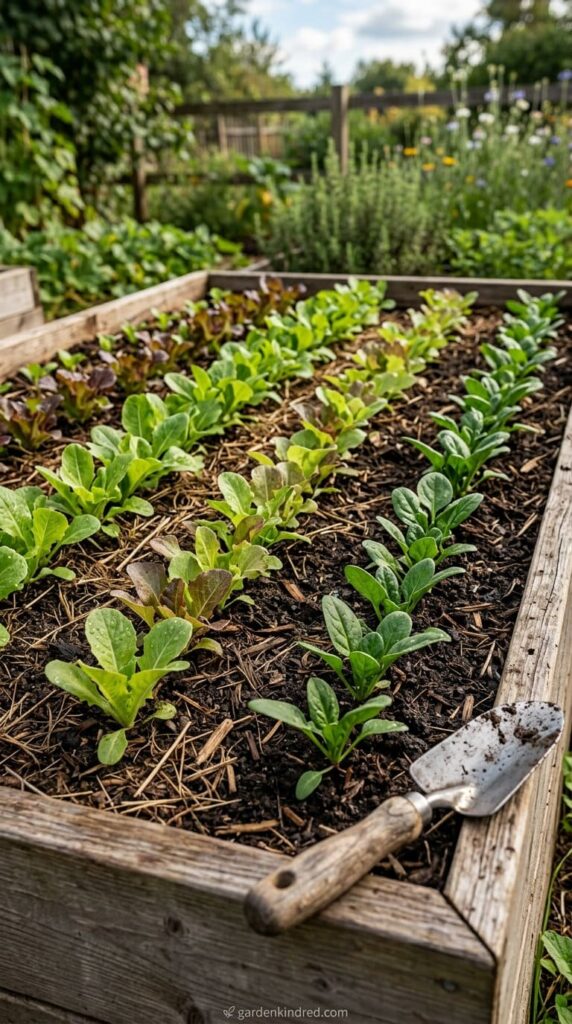
Zone 7-8: the longest realistic September list
Zones 7 and 8 run through the mid-South, coastal Pacific Northwest, and much of the transition zone between the Deep South and colder states. First frost usually lands between mid-October and mid-November, which opens up a genuinely long list of September-plantable crops, including several that zones 5-6 already missed the window for.
September crops with real September planting math (zone 7-8):
| Crop | Days to maturity | Fall factor applies? | Latest safe September start |
|---|---|---|---|
| Carrots | 60-75 | Yes, +14 days | Early September |
| Beets | 50-60 | Yes, +14 days | Early-mid September |
| Peas (fall crop) | 55-70 | Not frost-tender once established | Early September |
| Broccoli (transplants) | 55-70 from transplant | Yes, +14 days | Early September |
| Collards | 55-75 | No, cold-hardy | Through mid-September |
| Turnips | 35-60 | Yes, +14 days | Through mid-September |
Peas deserve a specific note. A fall pea crop is often overlooked because gardeners associate peas with spring, but zones 7-8’s longer fall window and cooler September soil temperatures actually suit peas well, University extension trial data from programs like Piedmont Master Gardeners list peas among the reliable fall-planted crops for the mid-Atlantic and upper South.
The succession-planting math for zone 7-8. A mid-November frost date gives roughly 10 weeks of open September-through-early-November growing time, enough room for more than one sowing of the fast crops. West Virginia University Extension recommends staggering plantings of the same crop 10 to 14 days apart rather than sowing everything at once, so the harvest spreads out instead of arriving all in one week.
Applied to radishes (21-28 days) in a zone 7-8 garden with a mid-November frost, that 10-week window realistically supports 3 to 4 separate sowings 10-14 days apart before you hit the last-safe-date math, each one still clearing its own days-to-maturity-plus-fall-factor calculation on its own. Lettuce and beets support 2 successions in the same window at a 14-day interval. This is different from just “plant it once in early September,” it’s a deliberate staggering that uses the zone’s longer fall runway to avoid a one-week glut followed by nothing.
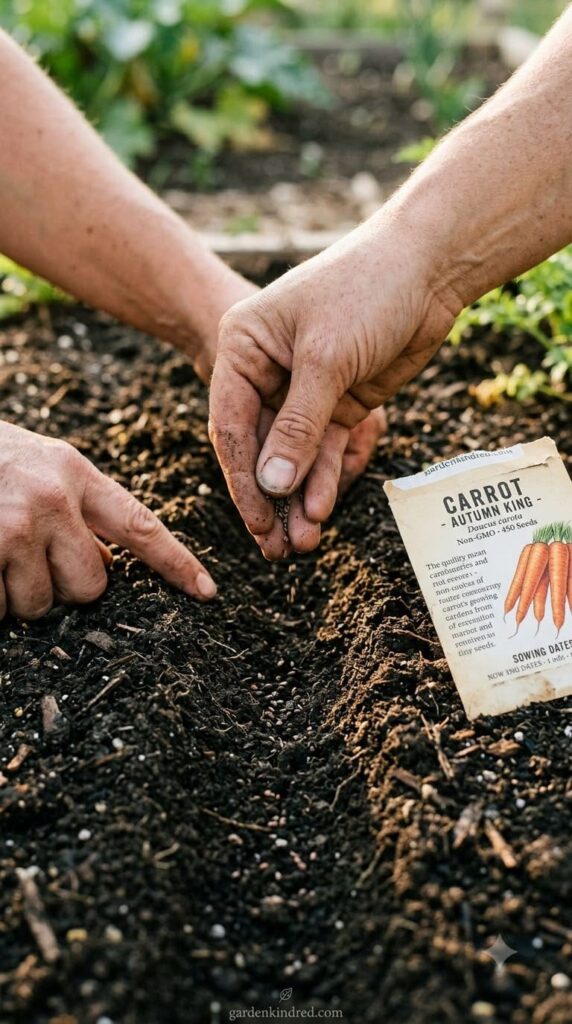
Zone 9-10: September is closer to spring than fall
This is where the “fall planting guide” framing breaks down completely if you don’t adjust for climate. Zones 9 and 10 cover the Gulf Coast, most of Florida, southern Texas, and coastal Southern California and Arizona, where frost is rare, occasional, or effectively absent. September in these zones isn’t a wind-down, it’s the start of the best growing window of the year, once summer heat starts easing.
September planting (zone 9-10):
- Beans (bush, 50-55 days): a real second crop, not a last-ditch effort, as long as soil has cooled from peak summer heat.
- Cucumbers (50-65 days): plantable through early September in zone 9-10 for a fall harvest.
- Beets, carrots, radishes: all plantable through September without the frost-buffer math the colder zones need.
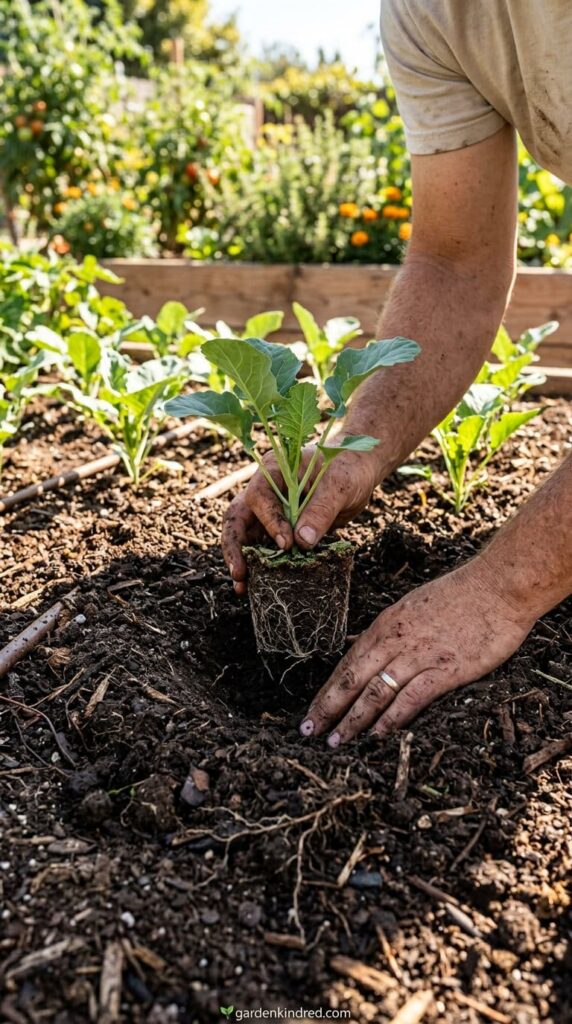
- Brassica transplants (broccoli, cauliflower, cabbage, Brussels sprouts): September is prime transplant timing so heads mature during the mild winter rather than summer heat.
- Kale, collards, lettuce, spinach: reliable September starts, will produce through winter in most of these zones.
The one thing that still limits zone 9-10 in September is heat, not frost. Soil temperature above roughly 85°F slows germination on lettuce and spinach specifically, so a light shade cloth over the first week or two after sowing often matters more here than any frost calculation.
The succession-planting math for zone 9-10. Without a hard frost-tender cutoff most years, the constraint here isn’t the calendar, it’s simply how many rounds you have space and time for. Applying the same 10-14 day WVU Extension succession interval used in zone 7-8, a zone 9-10 gardener sowing bush beans (50-55 days) can realistically run 2 sowings through September alone, roughly 2-3 weeks apart, and keep going into October since there’s no frost-date wall forcing a stop. Radishes and beets can go on a tighter 10-day rotation through the entire fall and into winter. The practical limit shifts from “days left before frost” to “bed space and soil fertility,” which is the opposite planning problem from every colder zone in this guide.
What actually changes between spring and fall planting math?
The days-to-maturity number on a seed packet isn’t a fixed constant, it’s a spring-season estimate. Two mechanisms specifically slow fall crops down compared to what the packet promises.
Daylight is shortening instead of lengthening. Photosynthesis output tracks daylight hours fairly directly, so a plant getting 11 hours of daylight in September grows measurably slower than the same plant getting 14 hours in May, even at an identical temperature.
Soil temperature is also dropping through the growing period instead of rising. Germination and early root growth both slow as soil cools, which is the mechanistic reason extension guidance adds that 14-day fall factor on top of the packet’s stated days to maturity, it’s not a rounding buffer, it’s compensating for a real, measurable growth-rate difference between spring and fall conditions.
What are the most common September planting mistakes?
Using the zone number alone instead of a real frost date. Zones span huge geographic areas. A zone 6 garden in a river valley can have a frost date two full weeks different from a zone 6 garden on a nearby ridge. Pull your specific frost data from your county extension office or a frost-date tool tied to your ZIP code, not just the zone chart.
Skipping the fall factor. Planting a 45-day crop exactly 45 days before frost and expecting a harvest is the single most common fall-garden miscalculation. Add the 14-day fall factor every time, cold-hardy or not.
Treating “days to maturity” as the harvest date instead of first-harvest date. Many crops, especially leafy greens, keep producing for weeks after the days-to-maturity number. Don’t panic and pull a crop early because a calendar math app says it’s “done.”
Ignoring the frost-tender buffer for anything still setting fruit. Beans, squash, and cucumbers need that extra 14-day cushion because a single hard frost ends the plant outright, unlike cold-hardy greens that just pause growth.
Frequently asked questions
What is the best week in September to plant a fall garden?
There’s no single best week across all zones. Work backward from your zone’s average first frost date using days to maturity plus the 14-day fall factor (and another 14 days if the crop is frost-tender), then plant as early in September as that math allows.
Can I still plant tomatoes or peppers in September?
Only in zones 9-10, where frost is rare or months away. In zones 3-8, tomatoes and peppers need 60-85 days plus a frost buffer, which puts their last safe planting date well before September in almost every case.
Does garlic count as a September vegetable?
Garlic is planted in fall (late September through October in most zones) but harvested the following summer. It’s a genuine September-October task even though it isn’t a September harvest.
How much later can I plant if I use row covers or a cold frame?
Season-extension structures typically buy 4-6 weeks of additional growing time by raising the microclimate temperature a few degrees and blocking wind, useful for cold-hardy greens but not enough to save frost-tender crops from a hard freeze.
Products We Recommend
This post contains affiliate links. We may earn a commission on qualifying purchases at no extra cost to you.
JUNKOGO Plant Freeze Protection Cover, 7x50 ft
This is the fabric that actually delivers the "4-6 weeks of extra growing time" mentioned in the zone 3-4 and cold-frame sections above. It lets enough light through to leave draped directly over cold-hardy greens like spinach and kale without a support hoop, and it buys several degrees of frost protection, enough to push a zone 5-6 harvest window past the average first frost.
Shop Now
REOTEMP K82-3 Soil Thermometer, 5-inch stem
The article's zone 9-10 section flags soil above 85°F as the real September obstacle there, not frost. A waterproof probe like this is the only way to confirm soil has actually cooled enough for lettuce and spinach to germinate reliably, instead of guessing from air temperature alone.
Shop Now
Miory Raised Garden Bed with Greenhouse Cover, 4x2.5x1 ft
For zone 3-4 gardeners who want to keep cold-hardy greens going past the outdoor cutoff, this is a low-cost way to build the "unheated hoop house" setup the guide references, without building one from scratch. The zippered greenhouse cover keeps humidity from cooking the plants on unexpectedly warm fall days while still trapping heat overnight.
Shop NowNever miss an update — choose Garden Kindred as your preferred source on Google.
How it works: Tap the button below to open Google's settings page, then check the box next to Garden Kindred.
Tap the checkbox to turn it blue — that's how you know it's set.