7 Smart September Flower Moves for Every USDA Zone (Bulb Chill Math Included)
Skip the chill, get leaves with no flowers. Here’s the vernalization math behind every “plant bulbs in fall” tip nobody explains, zone by zone.
Never miss an update — choose Garden Kindred as your preferred source on Google.
How it works: Tap the button below to open Google’s settings page, then check the box next to Garden Kindred.
Tap the checkbox to turn it blue — that’s how you know it’s set.
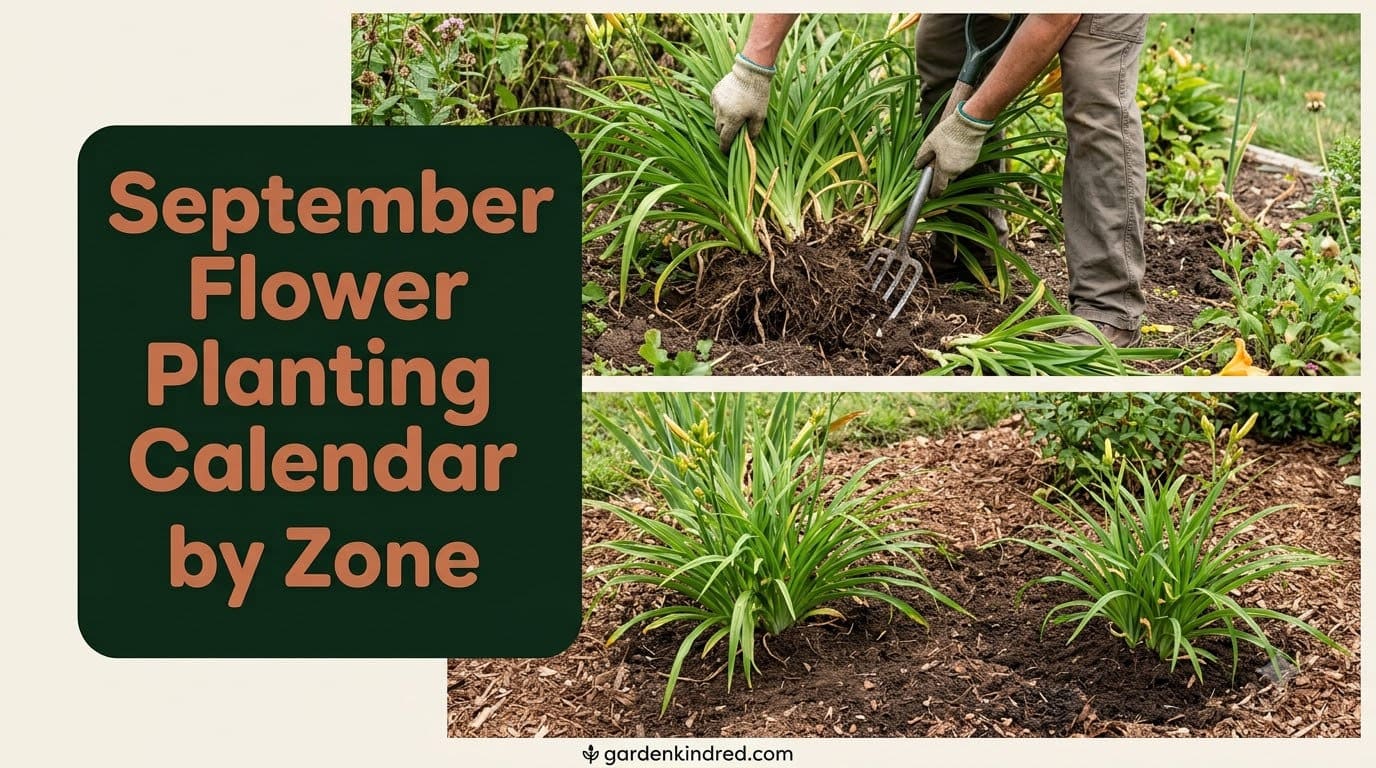
September flower planting depends on your USDA zone’s soil temperature and first frost date, not the calendar month alone. Spring bulbs (tulips, daffodils, hyacinths) need six to eight weeks of root growth before the ground freezes, plus a 12 to 16 week cold chill below 45°F to bloom correctly, so zones 3-5 plant earliest (September into early October) and zones 8-10 plant latest, often with pre-chilled bulbs. Dividing spring and early-summer perennials also happens in fall, ideally four to eight weeks before the ground freezes, so roots establish before winter.
Zones 3-4 are largely done with outdoor annuals by September and shift to bulbs and division.
Zones 5-6 have a real division and bulb-planting window through October.
Zones 7-8 can still plant annuals into October.
Zones 9-10 are just entering their best bulb-chilling prep season and can plant heat-tolerant annuals well into fall. Check your county extension office’s frost data before finalizing dates.

Why is fall actually the right time to plant bulbs and divide perennials?
Telling a gardener in Duluth and a gardener in Charleston to “get your fall flower bed ready in September” doesn’t mean the same thing twice. One of them is racing the ground freezing solid. The other still has two, maybe three, months of workable soil left.
I’ve read a lot of “fall flower calendar” roundups that treat bulb planting and perennial division like generic autumn chores, plant now, done. They skip the actual mechanism, and that’s the part that explains why the timing matters at all.
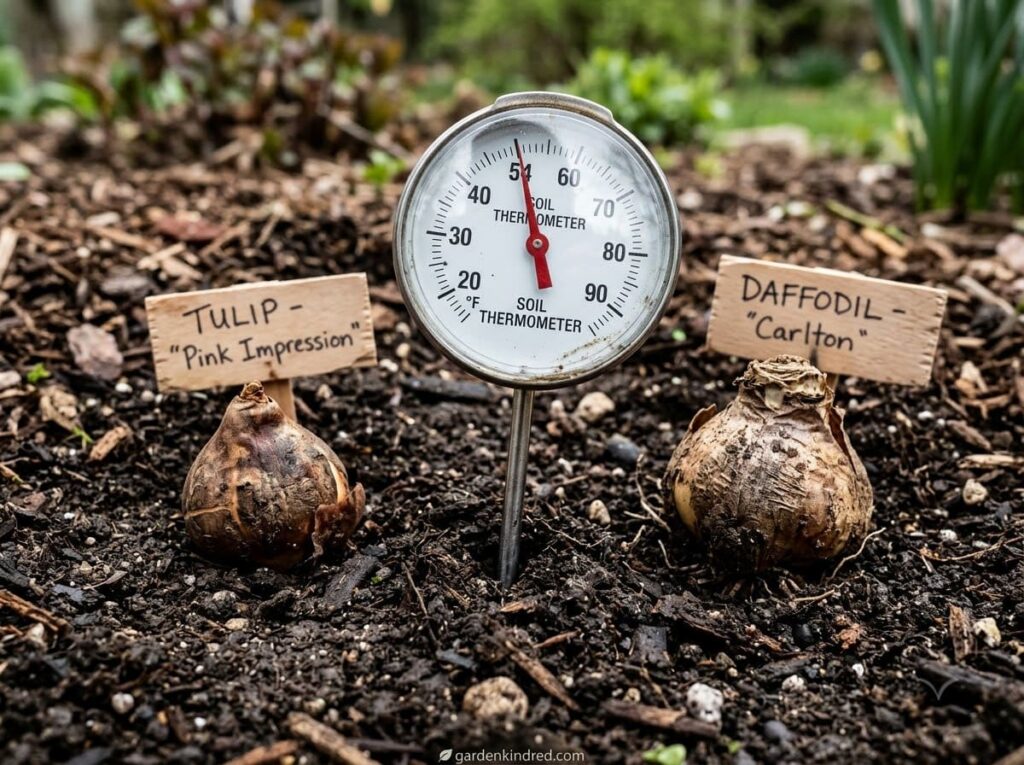
Spring bulbs like tulips and daffodils aren’t dormant seeds waiting for spring, they’re living structures that need real root development before winter. According to horticulture guidance summarized by Epic Gardening’s bulb planting research, bulbs planted in fall use the cooling soil (roughly 50-55°F) to grow roots without pushing top growth, then go fully dormant once the ground freezes. That root system is what powers the spring shoot the moment soil warms again.

There’s a second mechanism at work, and it’s the reason a bulb planted in September doesn’t just bloom whenever it feels like it. Most spring bulbs need vernalization, a sustained cold period, to trigger flowering at all. Skip the chill and a tulip bulb might grow leaves in spring with no flower, or nothing recognizable happens.
Perennial division runs on a related but separate clock. Cooler fall air is less stressful on a freshly divided root ball than summer heat, and dividing four to six weeks before the ground freezes (per guidance from the Piedmont Master Gardeners, a Virginia Cooperative Extension-affiliated volunteer program) gives new roots time to establish before dormancy, without the plant wasting energy on top growth it can’t sustain through winter.
Bone meal is the standard fall bulb amendment, but the mechanism only works under specific conditions. It’s a slow-release phosphorus source that dissolves gradually in soil moisture, with peak nutrient availability arriving six to ten weeks after application, roughly matching the window when a fall-planted bulb is actively growing roots, according to guidance from University of New Hampshire Extension. The catch is that phosphorus barely moves through soil, so most garden beds that have ever been fertilized already carry enough, and UNH Extension recommends a soil test before adding more rather than assuming every bed needs it. Bone meal also releases phosphorus fastest in soil with a pH below 7.0, so it does little in alkaline soil without a pH correction first.
How deep should you actually plant bulbs, and why does depth matter this much?
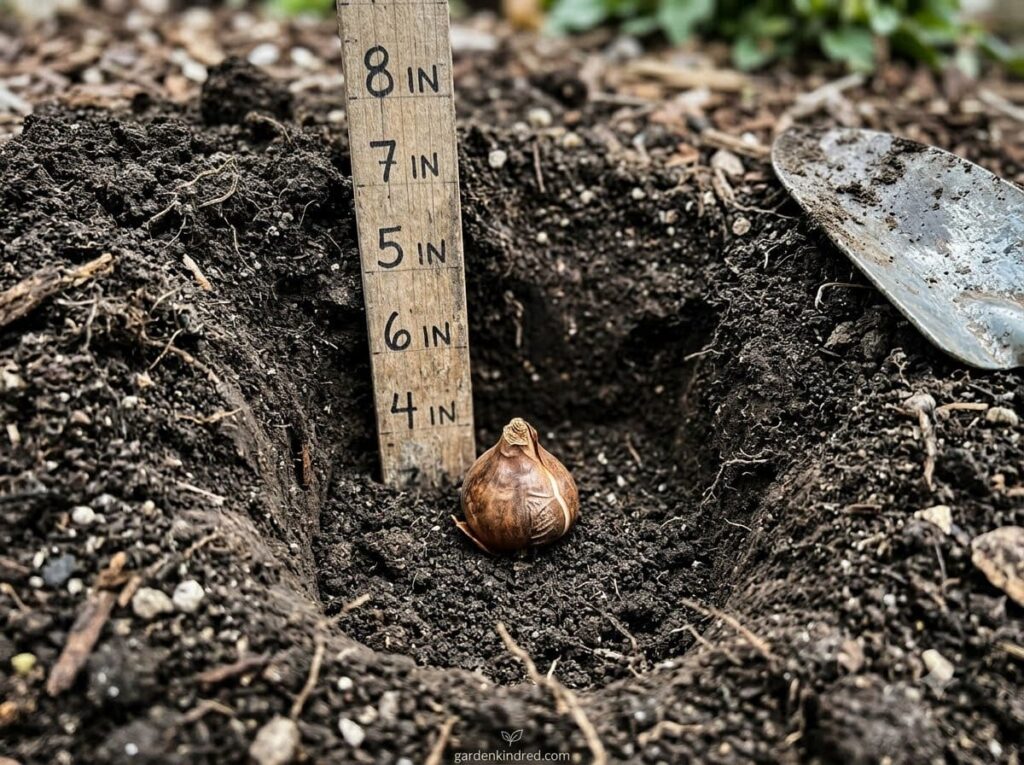
Depth isn’t a rounding buffer either, it’s the number that determines whether a bulb survives winter intact or gets heaved out of the ground or dug up by a squirrel before it ever gets the chance to bloom.
Real depth numbers by bulb type:
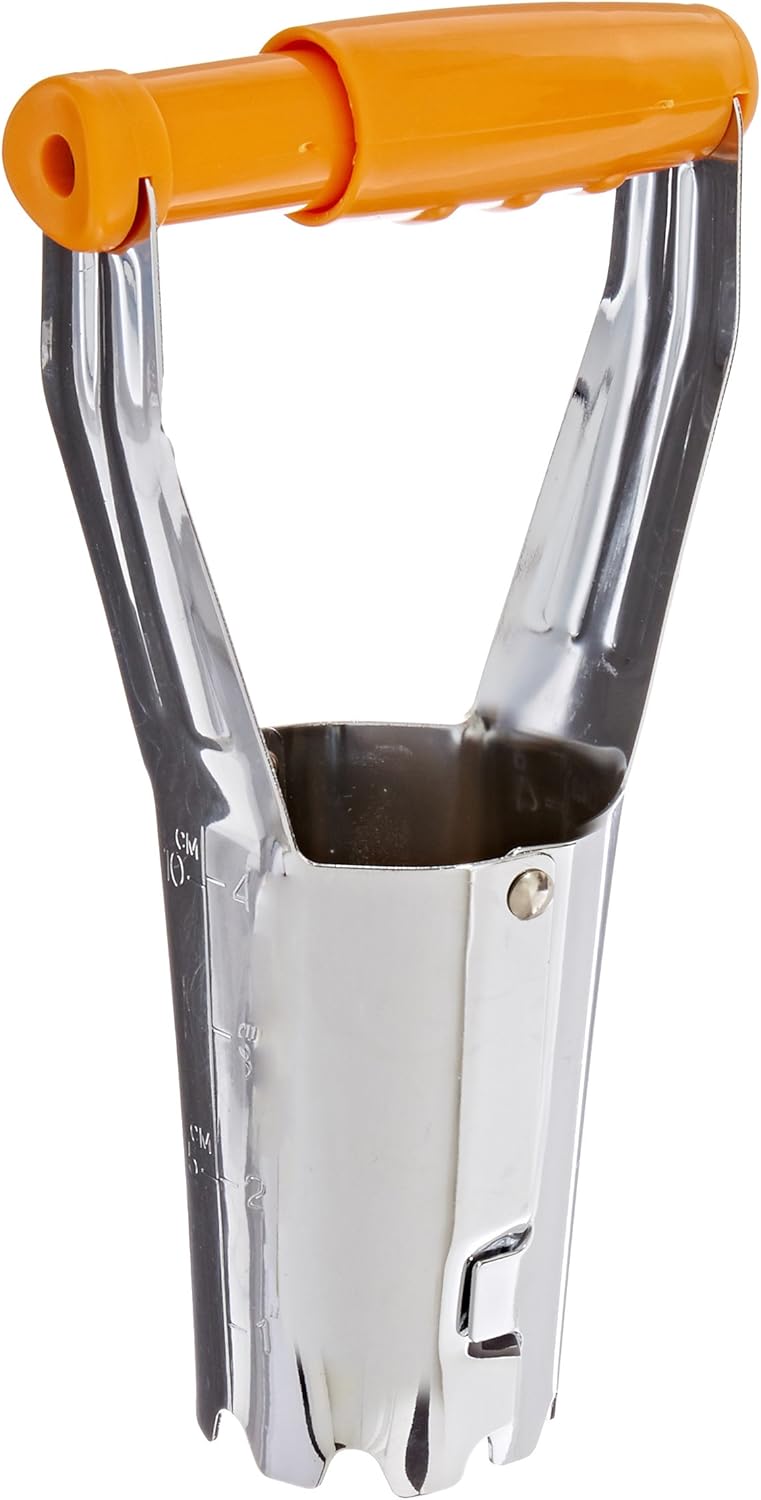
This is the tool that makes the depth math in the zone sections above actually repeatable. The gradation marks take the guesswork out of "6-8 inches deep" for tulips and daffodils, and the spring-loaded handle releases the soil plug in one motion instead of you digging it out by hand for every single bulb.
Shop NowThis post contains affiliate links. We may earn a commission on qualifying purchases at no extra cost to you.
| Bulb type | Typical bulb height | Planting depth | Spacing |
|---|---|---|---|
| Tulips, daffodils (standard size) | 2-3 inches | 6-8 inches | 4-6 inches apart |
| Miniature daffodils | Under 1 inch | 3-4 inches | 3-4 inches apart |
| Crocus, grape hyacinth | 1 inch or less | 3-4 inches | 2-3 inches apart |
These figures come from Illinois Extension’s bulb planting guidance and Iowa State University Extension’s depth FAQ, both of which apply the same underlying rule: plant a bulb roughly three times as deep as the bulb itself is tall, measured from the bottom of the bulb, not the tip.
Depth matters mechanically in two separate ways. The first is frost heave. Soil moisture expands as it freezes, and repeated freeze-thaw cycles push everything sitting near the surface upward, according to the Chicago Botanic Garden. A bulb planted too shallow can get lifted closer to the surface over winter, where it freezes solid or gets exposed outright, which is also why newly divided perennials with roots that haven’t established yet are especially vulnerable to the same lifting.
The second is predation. Squirrels and chipmunks target bulbs by scent and by how easy they are to reach, and planting too shallow makes a bed far easier to raid. Illinois Extension’s guidance on fall bulb predation notes that tulips and crocus are squirrel favorites, while daffodils are left alone because of a bitter, mildly toxic compound in the bulb that rodents avoid. Planting tulips and crocus at the full 6 to 8 inch depth, rather than the shallow minimum, is one of the more effective non-chemical deterrents, since it adds both distance and effort a squirrel has to dig through.
Zone 3-4: last call on outdoor color, first call on bulbs
Zones 3 and 4 cover the northern tier, the upper Midwest, and high-elevation mountain pockets. Average first frost typically lands between early September and early October, so the outdoor annual season is closing fast, but it’s also the earliest and most generous bulb-planting window in the country.
What’s still doable in zone 3-4 this September:
| Task | Timing | Notes |
|---|---|---|
| Plant tulips, daffodils, crocus | Mid-September through October | Soil is already cool enough, no chill-hour shortfall in this zone |
| Divide peonies, irises, daylilies | Early-to-mid September | At least 6 weeks before first hard freeze |
| Deadhead and cut back mums, asters | Ongoing through frost | Extends bloom window on what’s left |
| Frost-hardy annuals (pansies, ornamental kale) | Early September | Last realistic planting window before hard freeze |
Zone 3-4 gardeners don’t need to pre-chill bulbs in the refrigerator. Winters here reliably deliver 12 to 16 weeks below 45°F on their own, which is exactly the chill window tulips and daffodils need, per bulb-supplier chill guidance from Longfield Gardens. That’s the one real advantage of gardening somewhere the ground actually freezes hard.
Most frost-tender annuals (petunias, marigolds, zinnias) are finished for the season in these zones by mid-September. If a bed still has color, that’s mums or asters doing the work, not anything newly planted.
Zone 5-6: the real division-and-bulb window
Zones 5 and 6 run through a wide band of the central and mid-Atlantic states, from Nebraska and Iowa through Ohio and Pennsylvania into parts of New York and New England. First frost usually lands between early and late October, which gives September a genuine payoff for both tasks.
Realistic September flower tasks (zone 5-6):
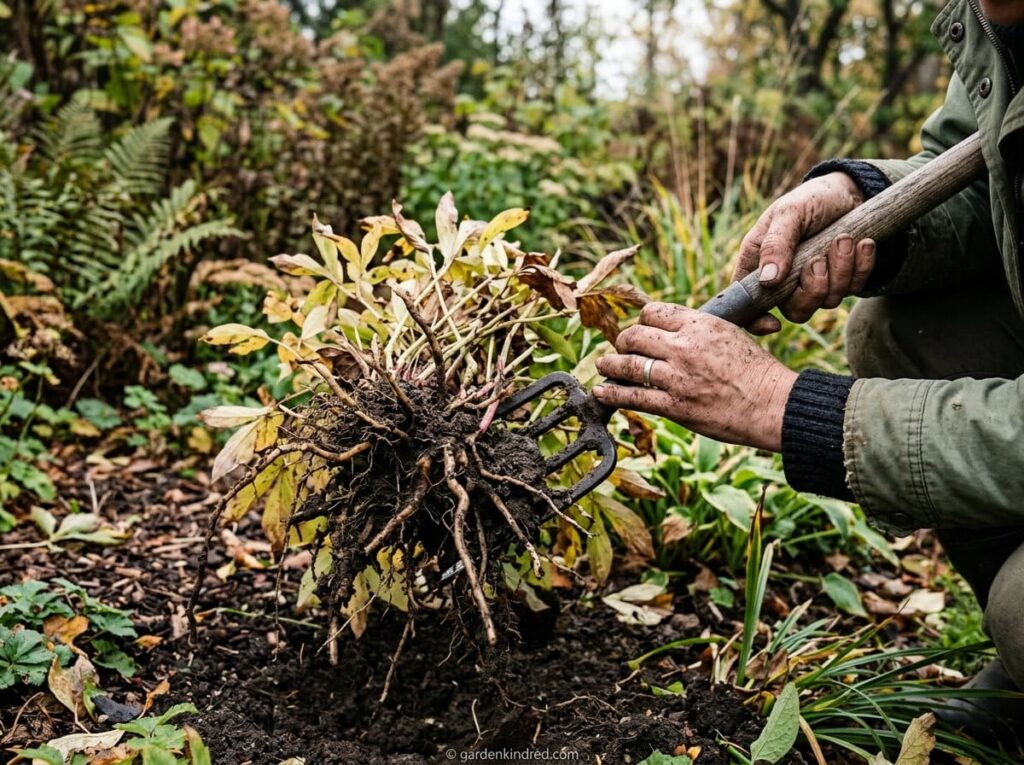
- Divide bearded iris, daylilies, hostas, and peonies through mid-September, six to eight weeks ahead of the average frost date.
- Plant tulips and daffodils starting in late September into October, once soil cools below 60°F.
- Mums and asters are peak color right now, no planting math needed, just deadhead spent blooms to extend the display.
- Pansies and violas can go in as September annuals, they’ll often survive into early winter and rebloom in spring.
- Cut back peony foliage only after it yellows, not while it’s still green, the plant is still storing energy for next year.
Zone 6 gardeners get roughly a week or two more room than zone 5 on most of these, since the average frost date runs later. A local county extension office’s frost data will beat the zone-wide average every time, since zones this wide can span hundreds of miles of real climate variation.
Zone 7-8: the longest realistic September annual list
Zones 7 and 8 stretch through the mid-South, the coastal Pacific Northwest, and much of the transition zone between the Deep South and colder states. First frost usually lands between mid-October and mid-November, opening up a long list of September-plantable annuals plus a bulb window that runs later than colder zones.
September flower tasks with real timing math (zone 7-8):
| Task | Latest safe September window | Why it works |
|---|---|---|
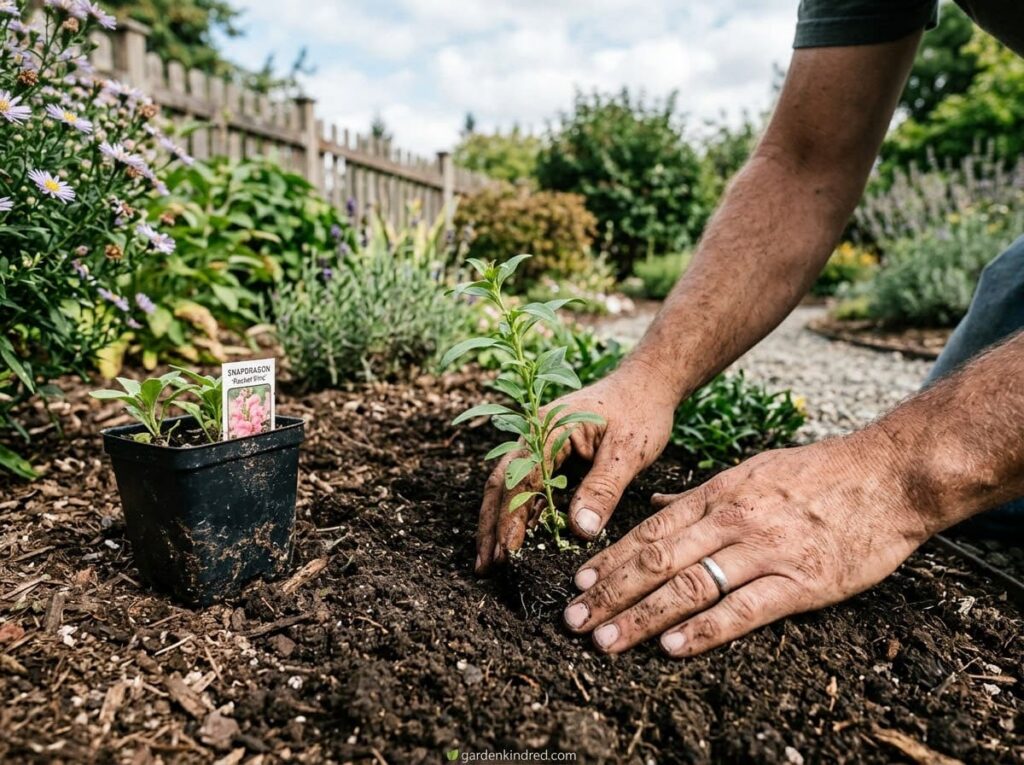
| Snapdragons, dianthus, calendula | Through late September | Cold-tolerant, bloom into first light frosts |
| Divide daylilies, hostas, Shasta daisies | Early-to-mid September | 6-8 weeks before frost, roots establish in warm soil |
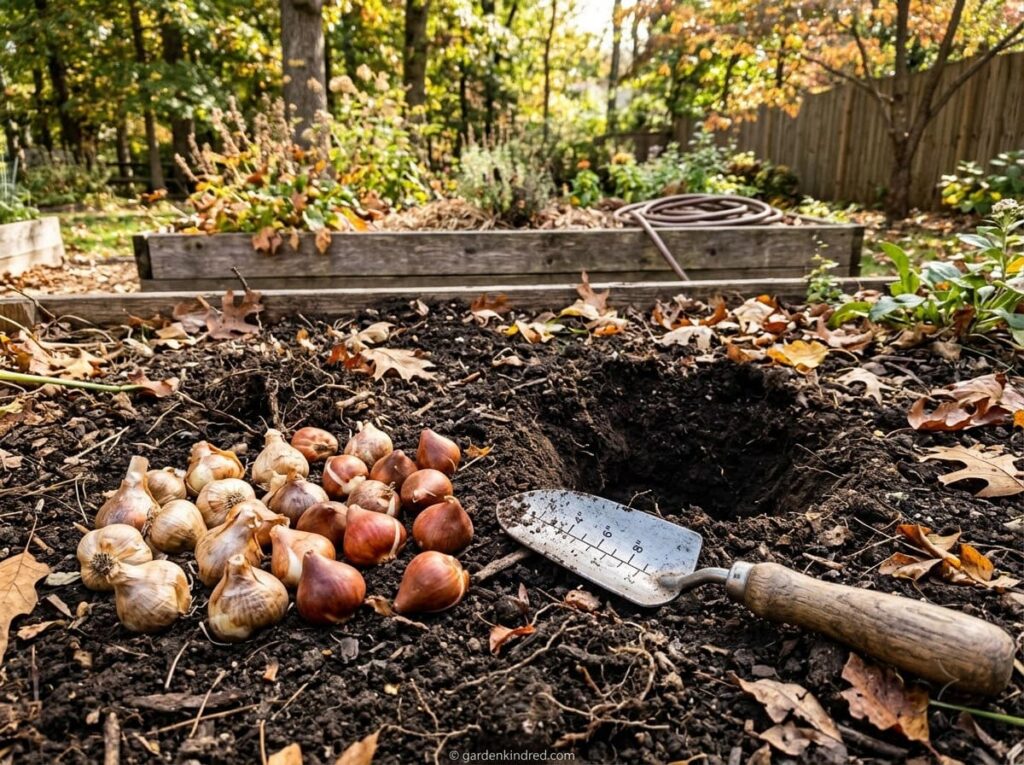
| Tulips, daffodils, hyacinths | Late October through November | Wait for soil to cool below 60°F, don’t rush it |
| Ornamental cabbage and kale | September into October | Actually improves in cooler weather |
Zone 7-8’s bulb timing deserves a specific note. Planting too early, while soil is still warm from summer, risks premature root or top growth that then gets damaged by an early cold snap. University extension trial data referenced by Piedmont Master Gardeners backs waiting until soil has genuinely cooled rather than planting on a fixed calendar date.
Zone 9-10: prep season, not planting season, for bulbs
This is where a generic “fall flower calendar” falls apart if it doesn’t adjust for climate. Zones 9 and 10 cover the Gulf Coast, most of Florida, southern Texas, and coastal Southern California and Arizona, where winters rarely deliver the sustained cold that spring bulbs need to bloom.
September flower tasks (zone 9-10):
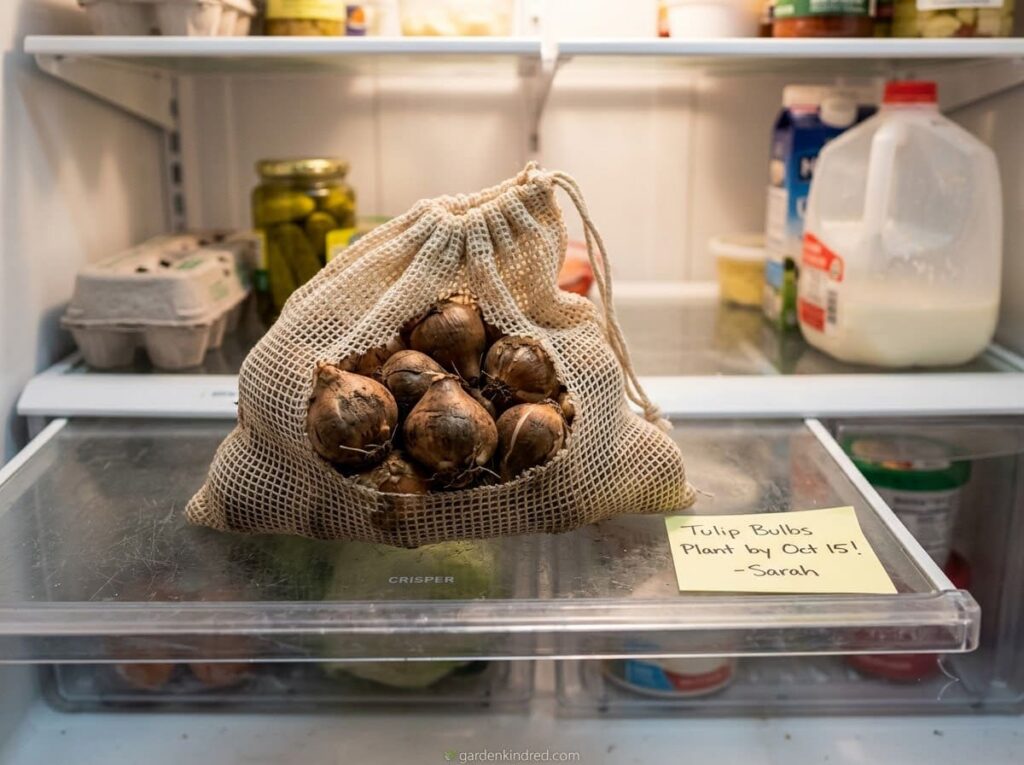
- Start pre-chilling tulip and daffodil bulbs in the refrigerator now (never near ripening fruit, which releases ethylene gas that can damage the bulb). They need 10-16 weeks of chilling before a November-to-January planting date.
- Plant heat-tolerant annuals: zinnias, celosia, and cosmos still perform well into September here.
- Begin transitioning to cool-season annuals (petunias, snapdragons, alyssum) as September heat starts easing.
- Divide daylilies and irises now, before the ground gets any chance of frost, timing is about root establishment before winter dormancy, not cold avoidance.
- Marigolds and cosmos can go in as a genuine second-round planting, not a last-ditch effort.
The one thing that actually limits zone 9-10 in September is heat, not cold. Soil above roughly 85°F slows germination on cool-season annuals specifically, so waiting for a real heat break, even just a week of cooler nights, often matters more than any calendar date.
How long do spring bulbs actually need to chill before they’ll bloom?
Chill requirements aren’t a rounding buffer, they’re the actual trigger mechanism. Tulips need 12 to 16 weeks below 45°F, daffodils need slightly less at 12 to 14 weeks, according to bulb-industry guidance from DutchGrown. Below that threshold, a bulb often still sprouts leaves in spring but produces a stunted flower or no flower at all.
| Zone | Natural winter chill sufficient? | What to do |
|---|---|---|
| 3-5 | Yes, reliably | Plant directly, no pre-chill needed |
| 6-7 | Yes, usually | Plant directly, monitor unusually mild winters |
| 8 | Marginal | Check local winter lows, pre-chill if in doubt |
| 9-10 | No | Refrigerate bulbs 10-16 weeks before planting |
Zone 8 is the genuine judgment call. Winter there can swing between a cold snap that delivers enough chill and a mild season that doesn’t, and that inconsistency is exactly why some zone 8 gardeners get strong tulip blooms one year and weak ones the next with identical planting technique.
A worked example, zone 6, one tulip bulb: planted the first week of October into soil that has cooled below 60°F. Roots develop through October and into November before the ground freezes. The bulb then sits dormant through winter, accumulating its 12 to 16 week chill requirement below 45°F, a threshold typically satisfied sometime in February in a zone 6 winter. Soil warms back above roughly 50°F in early-to-mid April, which triggers shoot emergence. Bloom follows two to four weeks later, landing in late April to early May.
Skip the October planting and go in late November instead, and the same bulb may still receive enough chill hours, but with less root development behind it, producing a shorter stem and smaller bloom, per the root-development mechanism described above.
What annuals are still worth planting or keeping in September?
Not every September flower task is about bulbs or perennials going dormant. A real subset of annuals is either just hitting peak color or still worth a fresh planting, depending on zone.
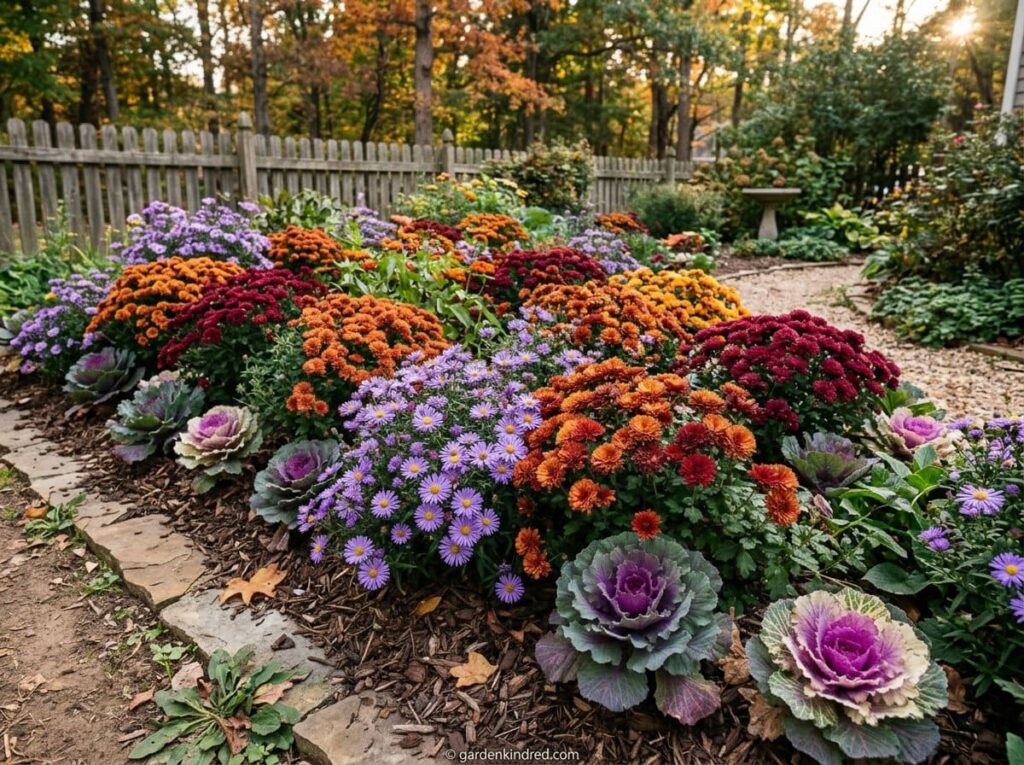
Mums and asters are the obvious fall standouts, both genuinely bred for a September-October bloom window rather than being summer leftovers pushed into fall. Pansies and violas tolerate real frost, per garden extension guidance summarized by UMass Amherst’s Center for Agriculture, and often keep blooming into early winter in zones 6 and warmer.
Snapdragons and calendula hold up to light frost without dying outright, they just pause and resume. Ornamental kale and cabbage are a strange case, they’re grown for foliage color, not flowers, and that color actually deepens once nights turn cold.
In zones 9-10, the September annual conversation is completely different, it’s not about frost tolerance at all, it’s about waiting out the last of summer heat before switching to cool-season varieties.
Do peonies and hostas divide the same way in fall?
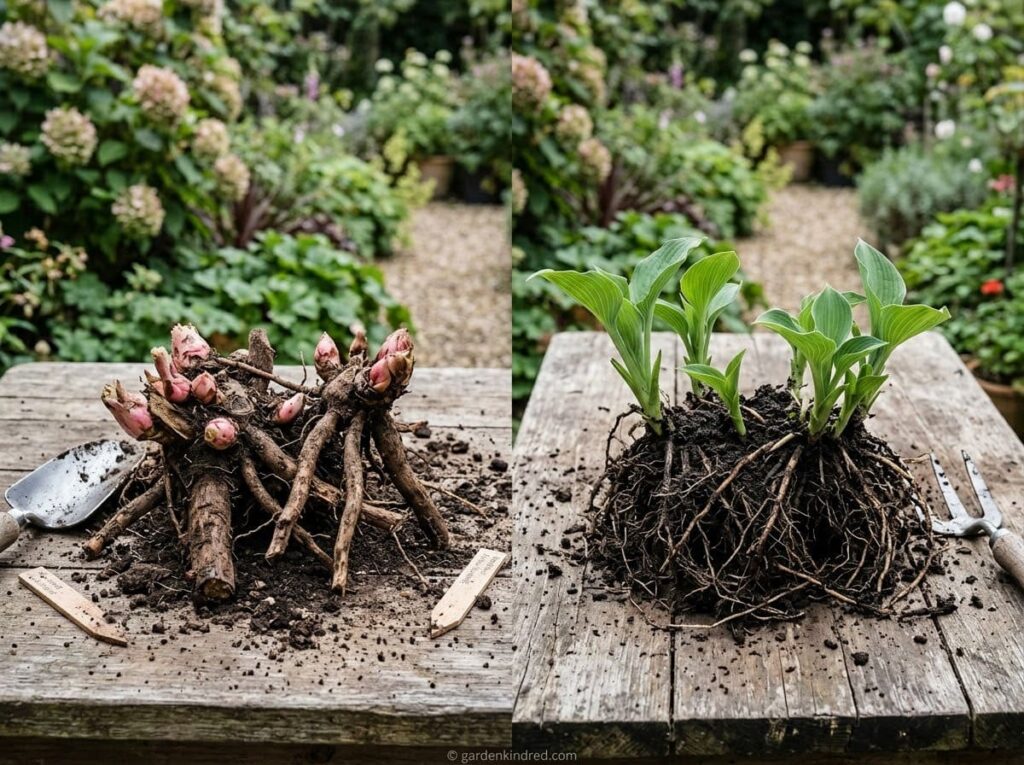
Both get lumped into the same “divide perennials in fall” advice throughout this article, and the general timing (four to eight weeks before the ground freezes) applies to both. But the reason each plant tolerates fall division, and how each division should be handled, comes from two different mechanisms.
Peonies are fall-only, and the reason is bud timing. Peonies set next year’s flower buds on the crown almost immediately after this year’s bloom fades, so dividing in spring cuts through buds that are already committed to that year’s flowers, which is why spring-divided peonies often take two to three years to bloom again, according to Iowa State University Extension. Fall division avoids that entirely since next year’s buds are already set and dormant. Iowa State Extension also gives real numbers on how to divide: each division needs at least three to five healthy eyes, since divisions with three or fewer eyes commonly take two years to bloom, and the eyes themselves should sit no more than one to two inches below the soil surface when replanted, noticeably shallower than a bulb. Plant a peony eye too deep and it often won’t bloom at all, the opposite failure mode from a bulb planted too shallow.
Hostas run on the opposite logic, tied to active growth rather than stored buds. Spring is the safest window because new growth is just emerging and mild temperatures reduce transplant shock, while late summer into early fall, once the worst heat has broken, is a workable second option, per Iowa State University Extension’s hosta division guidance. Unlike a peony, a hosta division that skips flowering for one season because it was small or the roots were disturbed still usually survives and catches up the following year. The plant isn’t gambling next year’s entire bloom cycle on the division the way a peony is.
The practical takeaway: treat “divide in fall” as a default, not a rule that applies identically to every perennial. Peonies genuinely need the fall window. Hostas tolerate it but aren’t locked into it the way peonies are.
What are the most common September flower planting mistakes?
Planting bulbs before soil has actually cooled. A calendar date isn’t the trigger, soil temperature is. Planting into 70°F soil in early September because “that’s when the bag says to” risks premature growth that then gets damaged by an early cold snap.
Skipping the chill requirement in warm zones. Zone 9-10 gardeners who plant tulips straight into the ground without pre-chilling often get leaves with no flower the following spring, the bulb simply never received the cold signal it needed.
Dividing perennials too close to the ground freezing. Division needs four to eight weeks of root establishment time before dormancy. Waiting until late October in a zone 5 garden doesn’t leave enough runway.
Cutting back peony or iris foliage while it’s still green. The plant is still photosynthesizing and storing energy for next year’s bloom. Wait until foliage yellows or frost kills it back naturally.
Frequently asked questions
What is the best week in September to plant fall bulbs?
There’s no single best week across all zones. Work backward from your zone’s soil temperature (bulbs want it below 60°F) and your area’s typical ground-freeze date, planting six to eight weeks ahead of the freeze for root establishment.
Can I still divide perennials in September if I’m in a warmer zone?
Yes, and in zones 8-10, September or even October is often the ideal window since it avoids both summer heat stress and any real frost risk to the fresh division.
Do all spring bulbs need the same chill period?
No. Tulips need the longest chill at 12-16 weeks, daffodils slightly less at 12-14 weeks, and some minor bulbs like crocus and grape hyacinth tolerate a shorter or less consistent chill period.
What happens if I plant bulbs too early in a warm fall?
The bulb can start rooting or even sprouting top growth before winter, which then gets damaged or killed by the season’s first real cold snap, weakening or eliminating next spring’s bloom.

Products We Recommend
This post contains affiliate links. We may earn a commission on qualifying purchases at no extra cost to you.
Fiskars Bulb Planter, Spring-Loaded Handle, 2.25" Diameter
This is the tool that makes the depth math in the zone sections above actually repeatable. The gradation marks take the guesswork out of "6-8 inches deep" for tulips and daffodils, and the spring-loaded handle releases the soil plug in one motion instead of you digging it out by hand for every single bulb.
Shop Now
Espoma Organic Bone Meal Fertilizer 4-12-0, 24 lb bag
Bone meal's phosphorus supports the root development that the mechanism section above explains is the entire point of fall planting, growing roots before the bulb goes dormant. Mixing a scoop into the bottom of each planting hole is the standard extension-office recommendation for both spring and fall bulbs.
Shop now
NISAKU Hori Hori Weeding and Digging Knife, 7.25-Inch Blade
This is the tool for the perennial division work covered in every zone section. The serrated edge saws through tough root balls on daylilies and hostas, and the inch markings on the blade double as a bulb-depth gauge, one tool covering both of this article's main tasks.
Shop NowNever miss an update — choose Garden Kindred as your preferred source on Google.
How it works: Tap the button below to open Google's settings page, then check the box next to Garden Kindred.
Tap the checkbox to turn it blue — that's how you know it's set.